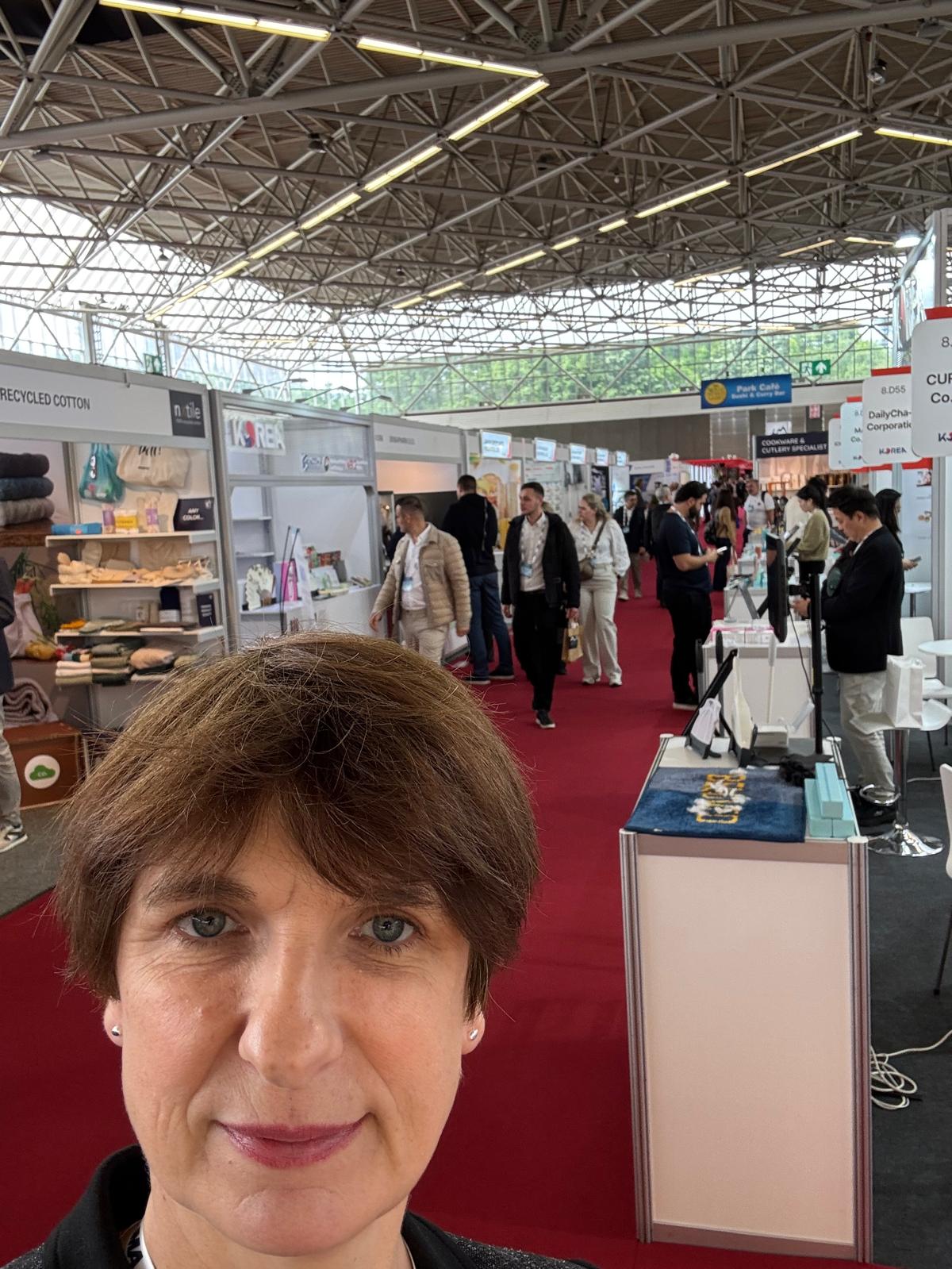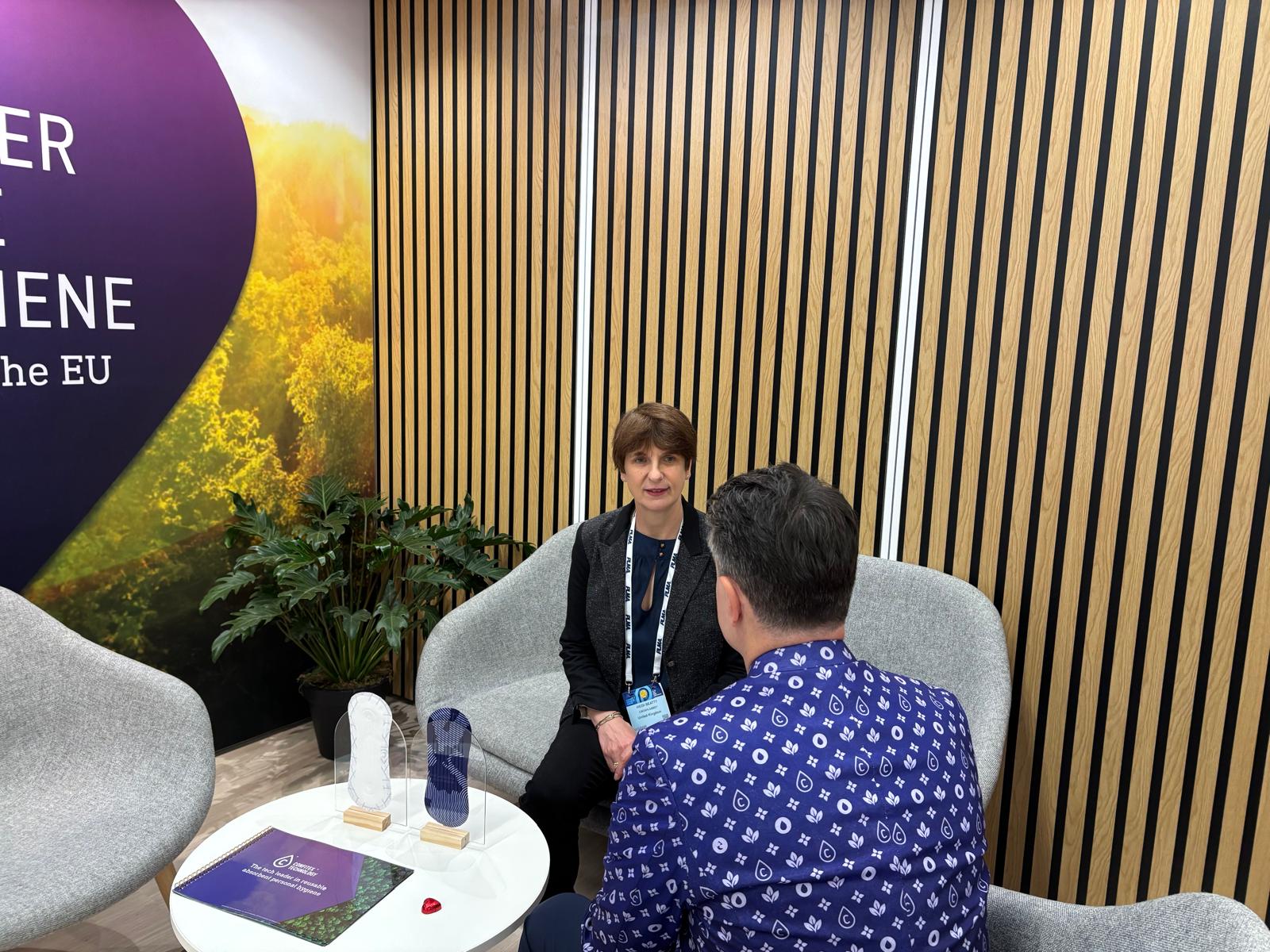
Heidi recently attended PLMA's "World of Private Label" in Amsterdam, and her notes are packed with observations from the exhibition floors. With thousands of exhibitors from around the world, the event showcased where private label manufacturing is heading.
Here are the key trends we're tracking and what they mean for brands considering private label partnerships.
Premium Quality at Value Pricing
The most striking shift was seeing manufacturers focus in on their core strengths. Whereas for the last few years we have seen them trying to jump on the latest TikTok trend, now they are taking a step back and locking into what makes them differentiated from others. It makes sense, as buyers are testing textures for extended periods, examining ingredient lists, and expecting national premium quality.
Skincare manufacturers displayed formulations that looked clinical-grade, packaged like luxury brands.The gap between private label and national brand quality continues to narrow.
Healthcare and Wellness Convergence
Healthcare private label continues to show strong growth, and the booths reflected this expansion. OTC products now feature premium packaging and positioning. Wound care includes smart sensors. AI-assisted diagnostics are seen more and more.
We're also seeing wellness ingredients cross categories. Collagen, electrolytes, and adaptogens are moving from supplements into personal care formulations. Manufacturers are paying attention to these ingredient trends.
Sustainability as Standard
Sustainability is well and truly built in now. Manufacturers showcased post-industrial waste as raw materials, coffee waste in product formulations, and comprehensive packaging stories. Brands that can't demonstrate environmental responsibility are at a disadvantage.
Reusable face pads and period underwear have moved from innovative to expected. The eco-friendly conversation has shifted from niche to mainstream.
Category-Specific Developments
Skincare and Suncare
Serum-mist hybrids addressing specific consumer complaints. Daily lightweight SPFs that work under and over makeup. Tinted mineral formulas that avoid the white cast problem. K-beauty influence throughout.
Feminine Care
Period care through menopause through incontinence, all positioned as premium categories with sustainability narratives. Comprehensive life-stage coverage rather than isolated products.
Solid Stick Cleansing
Two clear directions emerged: eco-friendly family options and solid or hybrid formats that eliminate water while providing dual cleansing and treatment benefits.
Color Cosmetics
Texture innovation and quality improvements driven by consumer expectations. Price matters, but quality expectations have increased significantly.
Manufacturing Landscape Changes
Manufacturers from Brazil, Egypt, Poland, South Korea, and Vietnam had dedicated pavilions, showing the global scope of private label capabilities. Beauty private label shows continued strong growth, with shoppers increasingly viewing private label as an essential option.
Surface disinfecting wipes appeared less prominent as a standalone category, folding into broader household wellness positioning. The pandemic-era focus has evolved into general wellness consciousness.
What This Means for Brands
The private label landscape offers genuine opportunities, but expectations have risen dramatically. Manufacturers who understand premium positioning while maintaining value pricing are well-positioned.
Clinical transparency and clean ingredient communication are baseline requirements, not differentiators. Successful private label partnerships now require manufacturers who can compete directly with national brands on quality and innovation.
Crown Abbey tracks these manufacturing trends because they directly impact our clients' product development opportunities. The private label world is evolving rapidly, creating new possibilities for brands with the right manufacturing partnerships.
Want to discuss how these PLMA trends might apply to your product development plans? We can help navigate manufacturer relationships and quality standards in this changing landscape.
More Photos from the Event