Bathroom Bootycamp: America's Bad Bathroom Habits Get a Workout
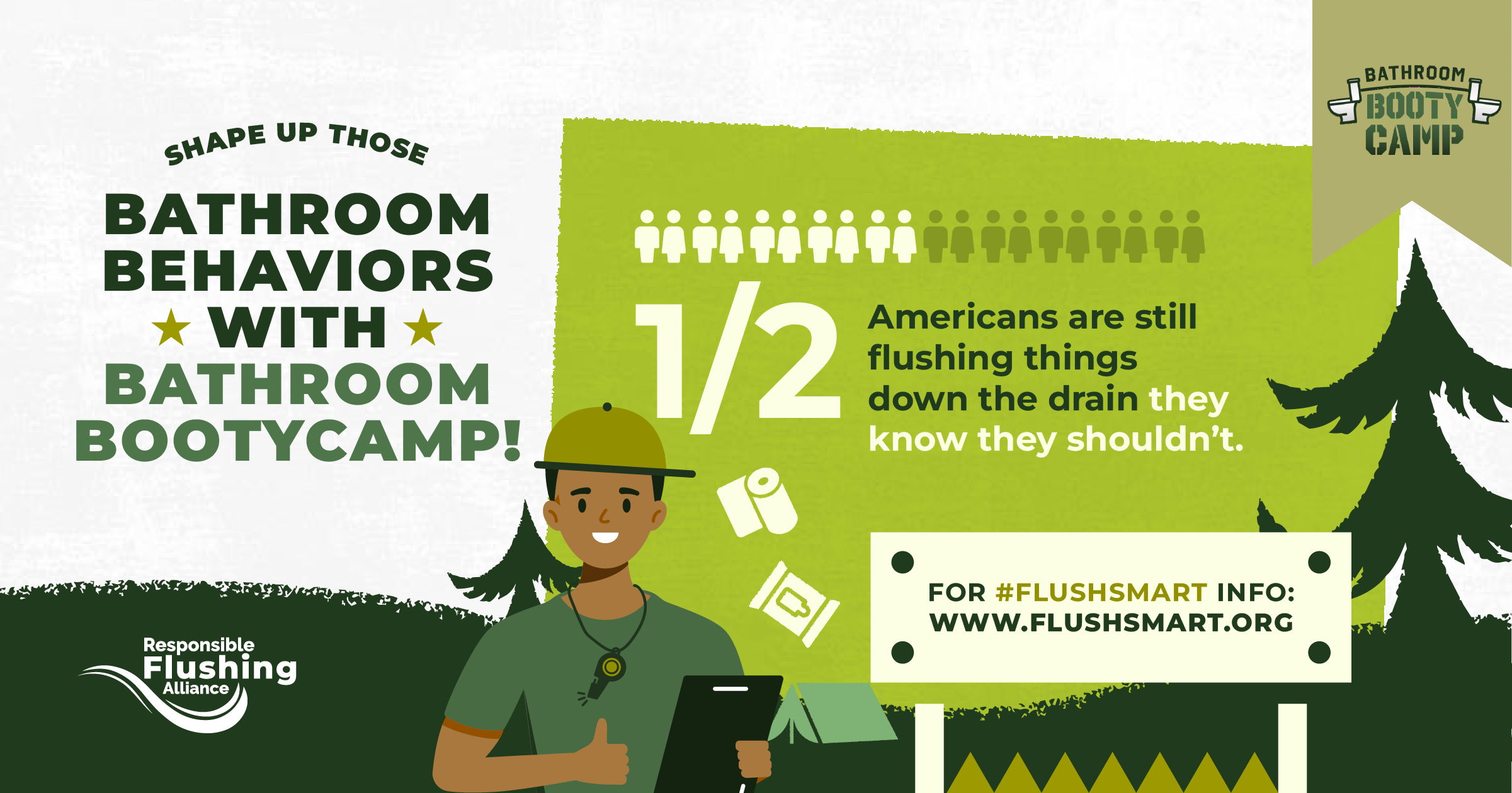
One in two Americans admits to flushing things they know they shouldn't. Those habits are costing households hundreds to thousands of dollars in plumbing repairs and saddling local public agencies with hundreds of millions in unplanned infrastructure costs every year. July is Responsible Flushing Month, and the numbers from this year's Responsible Flushing Alliance (RFA) survey make a compelling case for why it exists.
Crown Abbey is proud to be a member of the RFA, and this cause sits squarely in our wheelhouse. Our work in wet wipes, nonwoven cleansing cloths, and menstrual care means we see firsthand how product labeling, material choices, and consumer education all connect to what ends up in the sewage system.
Poor bathroom habits, like flushing the wrong items, aren't just dangerous for pipes and wastewater infrastructure. They're also a surprisingly common source of friction between people who share a home: family members, spouses, and roommates alike.
What Bathroom Behaviors Cause the Most Fallout?
According to the RFA's 2025 survey (conducted online with a nationally representative sample of U.S. adults), these are the top offenses sparking household conflict:
- Not replacing the toilet paper roll — 39%
- Leaving hair in the sink or shower — 35%
- Flushing non-flushable items — 14%
- Leaving the bathroom fan on or off — 12%
Half of Americans Are Still Flushing Things They Shouldn't
One in two Americans admits to flushing things down the drain that they know they shouldn't. And confusion about what is and isn't flushable remains widespread. Survey respondents still believed the following items could safely be flushed:
- Paper towels — 18%
- Baby wipes — 16%
- Tampons — 15%
- Cleaning wipes — 10%
Spoiler alert: you should never flush any of these.
The Real Cost of Flushing the Wrong Things
Bad flushing habits aren't just a household nuisance. They carry a serious financial price tag.
- $300–$15,000: The reported cost range for residents to clear a clog caused by non-flushable items, from a minor blockage to a major repair.
- $440 million per year: The unplanned costs absorbed by US local public agencies due to equipment damage from non-flushable wipes being flushed, according to figures cited by the RFA.
Flush Smart This July
This July, commit to being part of the crew who flushes smart and avoids the pitfalls of bad bathroom behavior. When in doubt, throw it out. The only things that belong in the toilet are waste and toilet paper.
Learn more at flushsmart.org/bathroom-bootycamp.
← Back to Blog